How to Write a Cover Letter With No Experience (Examples)
8 min read
Staring at a blank page, wondering how you can possibly write a cover letter with no experience, is one of the most common roadblocks for first-time job seekers. The good news is that a cover letter is not a list of past jobs. It is a short, focused pitch about why you are a good fit for this role, and you can write a convincing one using school, volunteering, side projects, and the right attitude. This guide walks you through exactly what to say, the structure to follow, and a complete example you can adapt for your own application.
Why a cover letter still matters when you have no experience
When your resume is thin, the cover letter does the heavy lifting. A resume lists what you have done; a cover letter explains who you are and why you want the job. For entry-level candidates, that context is often the deciding factor. Two applicants with similar (or empty) work histories can look identical on paper, and the one who clearly explains their motivation and fit usually stands out.
A cover letter also gives you a chance to address the obvious. Hiring managers know an entry-level applicant lacks experience. What they want to see is that you understand the role, you are genuinely interested, and you can communicate clearly. A thoughtful letter signals all three at once, which is far more persuasive than pretending you have qualifications you do not.
What employers actually look for in entry-level candidates
Once you understand what hiring managers are screening for, writing a cover letter with no experience gets much easier. For entry-level roles, they are rarely expecting a polished professional. Instead, they tend to look for a handful of practical signals.
- Willingness to learn. Can you pick things up quickly and take feedback without getting defensive?
- Reliability. Will you show up, follow through, and do what you say you will do?
- Communication. Can you write and speak clearly, and work alongside other people?
- Genuine interest. Do you actually want this job, or are you sending the same letter everywhere?
- Basic relevant skills. Even transferable ones, like organization, customer service, or comfort with common software.
Notice that none of these require a previous job. They require evidence, and you can pull that evidence from almost any part of your life so far.
The simple 5-part cover letter structure to follow
You do not need a creative format. A clear, predictable structure makes your letter easy to read and keeps you from rambling. Aim for three or four short paragraphs on a single page.
1. The header and greeting
Include your name and contact details at the top, then the date and, where relevant, the company name. Address a specific person if you can find their name on the job posting or company site. If you cannot, “Dear Hiring Manager” is a safe, professional default. Avoid “To Whom It May Concern,” which feels dated.
2. The opening
State the role you are applying for and offer one quick reason you are excited about it. This is not the place for your whole life story, just a confident, focused first line that tells the reader why you are writing.
3. The middle (your evidence)
This is the core. Connect your skills and qualities to what the job needs, using concrete examples from school, volunteering, projects, or hobbies. Pick two or three points rather than listing everything.
4. The “why this company” paragraph
Briefly explain why you want to work there specifically. A sentence or two showing you have read about the company goes a long way toward proving genuine interest.
5. The closing
Thank the reader, restate your enthusiasm in one line, and invite the next step, such as an interview. Sign off politely with your name.
How to turn school, volunteering, and side projects into selling points
The biggest mistake first-time applicants make is assuming they have nothing to write about. You almost certainly do. The trick is to translate everyday experiences into the language of skills employers recognize.
- School and coursework: Group projects show teamwork and meeting deadlines. Presentations show communication. A demanding course load shows time management.
- Volunteering: Helping at an event shows reliability and working with the public. Organizing a fundraiser shows planning and initiative.
- Side projects and hobbies: Building a website, running a small social media page, or teaching yourself a skill all show self-motivation and follow-through.
- Clubs, sports, and part-time roles: Captaining a team or covering shifts shows leadership, dependability, and handling pressure.
To make these land, name the skill and then back it with a specific example. “I am organized” is weak on its own. “While coordinating a charity bake sale, I managed a schedule for eight volunteers and tracked supplies, which taught me to stay organized under pressure” is far more convincing because it shows rather than tells.
Opening and closing lines that get you noticed
Your first and last lines are the ones most likely to be read carefully, so give them extra attention. Skip generic openers like “I am writing to apply for the position.” Lead with energy and relevance instead.
Stronger openings sound like:
- “I was excited to see your opening for a junior marketing assistant, because building social media content is something I already do for fun and want to do professionally.”
- “As a recent graduate eager to start a career in customer service, I was drawn to this role because your company is known for treating customers well.”
For closings, be polite and forward-looking without sounding desperate:
- “I would welcome the chance to discuss how my eagerness to learn could support your team. Thank you for your time and consideration.”
- “I am confident I can bring energy and reliability to this role, and I would love the opportunity to talk further.”
A full cover letter example you can adapt
Here is a complete example for an entry-level role. Replace the bracketed details with your own. Use it as a template, not a script, and rewrite it in your own voice so it sounds like you.
Dear Hiring Manager,
I am writing to apply for the Customer Service Assistant role at [Company Name]. As someone who enjoys solving problems and helping people feel looked after, I was genuinely excited to see this opening, and I would be glad to bring that energy to your team.
While I am early in my career, I have built skills that fit this role well. During my final year of school, I volunteered at a community center where I greeted visitors, answered questions, and handled occasional complaints calmly. That experience taught me how much a friendly, patient approach matters when someone is frustrated. I also coordinated a group project for six classmates, which meant keeping everyone on schedule and communicating clearly, both skills I know are essential in a busy customer-facing role.
What draws me to [Company Name] specifically is your reputation for putting customers first, which matches how I naturally like to work. I am eager to learn your systems quickly and to contribute reliably from day one.
Thank you for considering my application. I would welcome the chance to discuss how my enthusiasm and willingness to learn could support your team, and I am available for an interview at your convenience.
Sincerely,
[Your Name]
[Phone Number] | [Email Address]
Common mistakes to avoid before you hit send
A few small errors can undo an otherwise solid letter. Run through this checklist before you send it.
- Sending a generic letter. A copy-paste letter with no company name or role-specific detail is easy to spot and easy to reject.
- Apologizing for your lack of experience. Frame what you bring positively instead of drawing attention to gaps.
- Repeating your resume word for word. The letter should add context and personality, not duplicate the list.
- Making it too long. Keep it to one page and a handful of tight paragraphs.
- Typos and the wrong company name. Proofread carefully, and double-check you did not leave another employer’s name in by accident.
- No clear next step. End by inviting an interview so the reader knows what you want.
Frequently Asked Questions
How long should a cover letter with no experience be?
Keep it to a single page, ideally three or four short paragraphs. Hiring managers read many applications, so a focused letter that makes its point quickly is more effective than a long one. If you can say it in fewer words, do.
Do I really need a cover letter for an entry-level job?
If the application allows or requests one, yes. When your resume is light, a cover letter is your best chance to show motivation, communication skills, and genuine interest. Even when it is optional, including a thoughtful letter can help you stand out from applicants who skip it.
What should I write if I have no work history at all?
Draw on everything else: schoolwork, volunteering, clubs, sports, side projects, and hobbies. Identify the skills these built, such as teamwork, reliability, or communication, and back each one with a specific example. Employers hiring for entry-level roles expect this and care more about attitude and potential than a long history.
Final thoughts
Writing a cover letter with no experience is far less about your past and far more about how clearly you present your potential. Follow the simple five-part structure, translate your everyday experiences into real skills, and lead with genuine interest in the role. Adapt the example above to your own voice, proofread it carefully, and you will send something that feels confident, specific, and worth a second look.
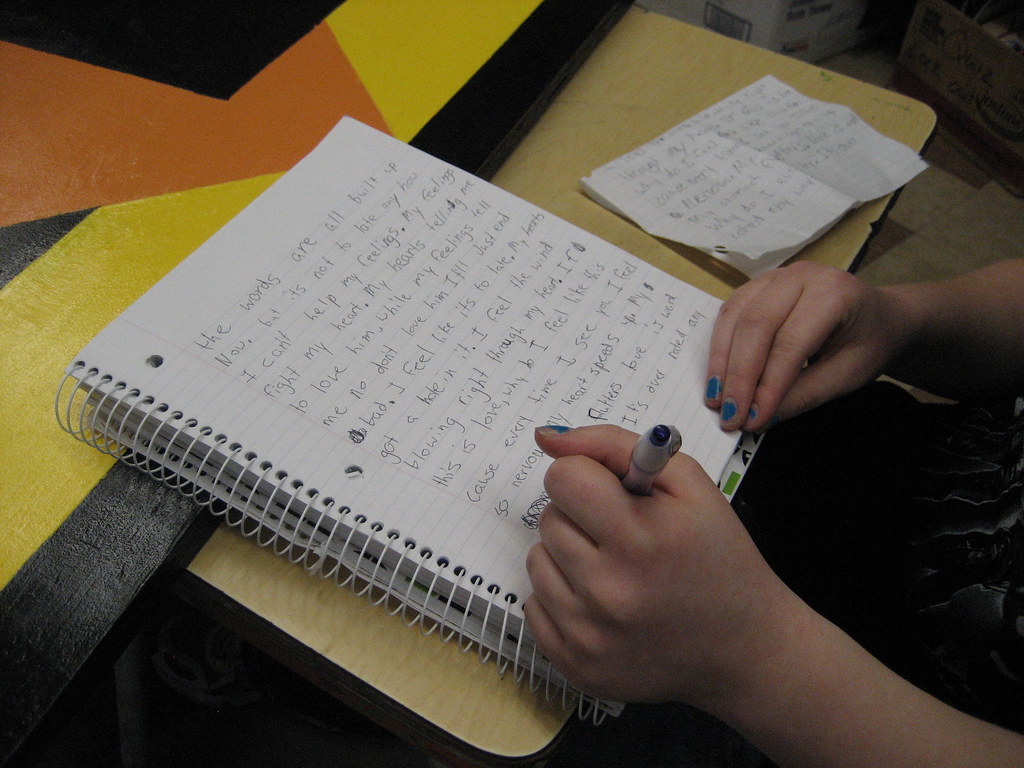
Featured image: Always Writing — mrsdkrebs (BY) via Openverse