How to Remove Hard Water Stains From Any Surface
8 min read
Those cloudy white spots on your shower door, the chalky crust around your faucet, the stubborn ring in the toilet bowl: they all come from the same culprit. If you’ve ever scrubbed a glass until your arm ached only to watch the film reappear, you already know that learning how to remove hard water stains takes a little more than elbow grease. The good news is that you almost certainly have everything you need in your kitchen right now, and the techniques work on nearly any surface in your home.
What Hard Water Stains Are and Why They Keep Forming
Hard water is simply water that carries a high amount of dissolved minerals, mostly calcium and magnesium. When that water dries on a surface, the water evaporates but the minerals stay behind. Over time those leftover minerals build into the chalky, crusty, or cloudy deposits we call hard water stains or limescale.
This is why the stains keep coming back no matter how hard you scrub. You can clean off the visible deposit, but every time mineral-rich water dries on the same spot, a new layer starts forming. The key insight is that these deposits are alkaline mineral build-up, which means a mild acid is usually far more effective at dissolving them than soap or general-purpose cleaner. Understanding that simple chemistry is what makes the rest of this guide work.
Household Supplies That Dissolve Mineral Deposits
Before you buy anything special, raid your pantry. A handful of cheap, everyday items dissolve mineral deposits remarkably well:
- White vinegar: The workhorse of hard water cleaning. Its mild acidity breaks down calcium and magnesium deposits without harsh fumes. It’s inexpensive and safe for most common surfaces.
- Lemon juice: Naturally acidic like vinegar, with a fresher smell. Great for smaller jobs and for people who dislike the vinegar odor.
- Baking soda: A gentle abrasive and a mild alkaline. On its own it scrubs away softened deposits; combined with an acid it helps lift loosened grime.
- A spray bottle, microfiber cloths, and an old toothbrush: These let you apply, dwell, and agitate without scratching.
The single most important trick with any of these is dwell time. Acids need contact time to dissolve minerals, so soaking or holding the solution against the stain almost always beats frantic scrubbing.
How to Remove Hard Water Stains From Glass and Shower Doors
Glass shows water spots more than almost any other surface, so it’s where people get the most frustrated. Here’s a reliable approach for how to remove hard water stains from shower doors, windows, and glass shower screens:
- Mix equal parts white vinegar and warm water in a spray bottle. Warming the vinegar slightly speeds up the reaction.
- Spray the glass generously and let it sit. Light filming may clear in a few minutes; heavier build-up needs longer.
- For vertical surfaces where spray runs off, soak paper towels or a cloth in the vinegar solution and press them flat against the glass so the liquid stays in contact.
- Wipe with a non-scratch sponge or microfiber cloth, using small circular motions on cloudy areas.
- Rinse thoroughly with clean water and dry with a fresh microfiber cloth to avoid leaving new spots.
For very stubborn cloudiness, make a paste of baking soda and a little water, apply it to the damp glass, and gently work it in before rinsing. Always test a small corner first and never use gritty scouring pads, which can permanently scratch glass.
Removing Stains From Faucets, Fixtures, and Chrome
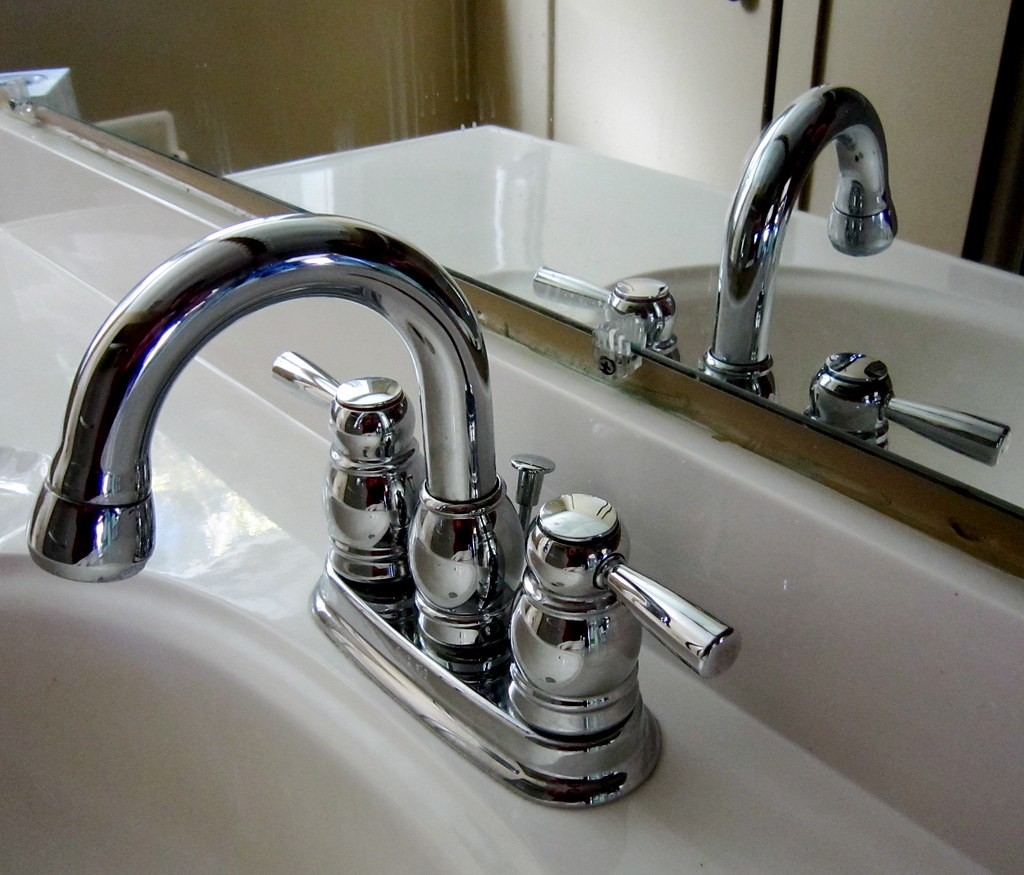
Faucets and fixtures collect mineral crust right where water pools and drips. The shapes make scrubbing awkward, so soaking is your friend.
- Wrap and soak: Soak a cloth or paper towel in vinegar, wrap it around the faucet base and spout, and secure it with a rubber band or clip. Leave it to dwell, then remove and wipe.
- Aerator soak: If water sprays unevenly, unscrew the aerator at the tip of the spout and soak it in a small cup of vinegar to dissolve the deposits clogging it, then rinse and refit.
- Detail work: Use an old toothbrush dipped in vinegar to reach the seams and base where crust hides.
A word of caution on finishes. Polished chrome and stainless steel generally tolerate vinegar well, but some specialty coatings, brushed nickel, and certain plated finishes can be sensitive to acids. Keep contact time shorter on these, rinse promptly, and check the manufacturer’s guidance if you’re unsure. When in doubt, test on an inconspicuous spot.
Tackling Hard Water Rings in Toilets and Tubs
That stubborn ring around the toilet waterline and the dingy band in the tub are classic hard water and mineral build-up. For the toilet:
- Pour a generous amount of white vinegar into the bowl and, if possible, lower the water level first by turning off the supply and flushing, so the vinegar sits directly on the ring instead of being diluted.
- Let it soak for an extended period, ideally a few hours or overnight for heavy rings.
- Scrub with a toilet brush or, for tougher deposits, a pumice stone made for toilets, keeping the stone and surface wet to avoid scratching the porcelain.
- Flush to rinse and turn the supply back on.
For tubs and sinks, spray or wipe on the vinegar solution, let it dwell, then sprinkle baking soda over the wet surface. The combination helps lift softened deposits as you scrub with a non-scratch sponge. Rinse well. For fiberglass or acrylic tubs, stick to soft cloths and gentle pressure to protect the surface.
Stubborn Limescale: Commercial Cleaners and Safe Scrubbing Tools
Sometimes deposits are thick, old, and won’t budge with vinegar alone. That’s when reaching for a dedicated product makes sense.
- Commercial descalers and limescale removers: These are formulated specifically to dissolve mineral build-up and often work faster than home remedies. Follow the label directions exactly, especially the recommended dwell time and any surfaces to avoid.
- Safe scrubbing tools: Non-scratch scrub pads, soft-bristle brushes, and purpose-made pumice sticks let you add mechanical help without damaging the surface. Match the tool to the material, and softer is always safer.
Two safety rules matter most. First, never mix cleaning chemicals, particularly anything containing bleach with anything acidic, because the combination can release dangerous gases. Second, work in a ventilated space and wear gloves when using stronger products. Knowing how to remove hard water stains safely is just as important as knowing what dissolves them.
How to Prevent Hard Water Stains From Returning
The most effective cleaning strategy is making the stains harder to form in the first place. Prevention is far easier than removal:
- Dry surfaces after use. Keeping a squeegee in the shower and giving the glass a quick wipe after each use is the single best habit for spot-free doors.
- Wipe down faucets and sinks with a dry cloth after heavy water use so minerals never get the chance to settle.
- Do quick maintenance passes. A light vinegar wipe on a regular schedule prevents thin films from hardening into crust.
- Treat the water source. If hard water plagues your whole home, a water softener or a shower head with a built-in filter reduces the minerals reaching your surfaces, cutting build-up across the board.
- Use a rinse aid where it fits. Surface protectants and water-repellent treatments made for glass can help water sheet off instead of beading and drying.
Frequently Asked Questions
Will vinegar damage my surfaces?
Vinegar is safe on most glass, porcelain, ceramic tile, chrome, and stainless steel. However, it can etch or dull natural stone such as marble, granite, and travertine, and may harm certain coated or plated finishes. Avoid it on stone, and on delicate finishes keep contact time short and test an inconspicuous area first.
How long should I let vinegar sit on hard water stains?
It depends on the build-up. Light filming may clear within a few minutes, while moderate deposits often need to soak for a while, and thick limescale can require several hours or even an overnight soak. More dwell time generally means less scrubbing.
Can I prevent hard water stains without buying special equipment?
Yes. The most powerful prevention is free: simply drying surfaces after water touches them. A quick squeegee on the shower glass and a wipe-down of faucets removes the water before minerals can dry and accumulate, dramatically reducing how often stains appear.
Hard water stains feel permanent, but they rarely are. Once you understand that they’re just mineral deposits that a mild acid can dissolve, learning how to remove hard water stains becomes a matter of the right solution, enough dwell time, and a safe tool for the surface. Pair that with a few quick drying habits, and you can keep your glass, fixtures, and fittings clear with surprisingly little effort.
Featured image: “How long a minute is depends on what side of the bathroom door you're on” — katerha (BY) via Openverse