How to Unclog a Drain Without Calling a Plumber
9 min read
A slow or blocked drain is one of the most common household annoyances, and it almost always strikes at the worst moment. The good news is that learning how to unclog a drain is well within reach for most people, and the majority of everyday clogs can be cleared with items already sitting in your kitchen or under the sink. Before you reach for the phone and brace for a service call fee, it is worth spending a few minutes trying the methods below. They are cheap, low-risk, and surprisingly effective for the kinds of buildup that cause most slow drains.
First, figure out what is clogging your drain
The smartest first step is to identify what you are dealing with, because the cause determines the fix. A clog in the kitchen sink behaves very differently from one in a bathroom shower, and using the wrong method can waste time or even make things worse.
- Grease and food residue are the usual culprits in kitchen sinks. Fats and oils cool inside the pipe, harden, and trap food particles, gradually narrowing the passage.
- Hair and soap scum dominate bathroom sinks, tubs, and showers. Strands knot together and bind with soap residue into a stubborn mat near the drain opening.
- Mineral and gunk buildup can slowly coat pipe walls over time, especially in homes with hard water, reducing flow even without a single dramatic blockage.
- Foreign objects such as a bottle cap, a child’s toy, or a wad of wipes can lodge in the trap and stop water completely.
Pay attention to the symptoms. Water that drains slowly but steadily usually signals gradual buildup. Water that backs up and sits still, or gurgles and smells, often points to a more solid obstruction. If multiple drains in your home are sluggish at the same time, the problem may be deeper in the main line, which is an early sign that DIY methods may not be enough.
Method 1: Boiling water and dish soap for grease clogs
This is the easiest fix to try and a strong opening move for kitchen drains. Hot water softens and loosens greasy buildup, and dish soap helps break down the fats so they can flush away.
- Bring a kettle or pot of water to a rolling boil.
- Squeeze a generous amount of grease-cutting dish soap directly into the drain.
- Pour the boiling water down slowly in two or three stages, pausing a few seconds between pours to give the heat time to work.
- Run hot tap water afterward to confirm the flow has improved.
One important caution: only pour boiling water down metal or properly rated pipes. If you have PVC piping or a porcelain sink, use very hot tap water rather than boiling water to avoid the risk of cracking or warping. This method is best for grease and soft food buildup and will do little against hair or a solid object.
Method 2: Baking soda and vinegar for buildup
This classic pantry combination is a gentle, chemical-free way to loosen organic residue and freshen a smelly drain. The fizzing reaction helps dislodge grime clinging to the pipe walls.
- Remove any standing water from the sink or basin so the mixture can reach the clog.
- Pour roughly half a cup of baking soda directly into the drain.
- Follow with an equal amount of plain white vinegar. Expect immediate bubbling and fizzing.
- Cover the drain with a stopper or cloth to direct the reaction downward, and let it sit for around fifteen to thirty minutes.
- Flush with hot water to rinse everything through.
This approach works well for mild buildup and odor, and it is safe to use regularly as preventive maintenance. It is not powerful enough to break apart a dense hair mat or shift a solid object, so treat it as a first or maintenance step rather than a heavy-duty solution.
Method 3: Plunging a sink, tub, or shower drain correctly
A plunger uses suction and pressure to physically push or pull a clog free, and most people use it incorrectly. Technique matters far more than brute force.
- Use the right plunger. A flat-cup (sink) plunger seals best on flat surfaces like sinks and tubs. The flanged style is designed for toilets.
- Create a seal. Make sure there is enough standing water in the basin to cover the rubber cup. Water transmits the pressure better than air does.
- Block the overflow. Bathroom sinks and many tubs have an overflow opening. Cover it tightly with a wet cloth so your plunging force is not lost through it.
- Plunge with steady, vertical strokes. Push down and pull up firmly several times without breaking the seal, then yank up sharply on the final stroke to dislodge the blockage.
Repeat in sets of several strokes and test the drain between attempts. Plunging is effective on a wide range of clogs because it acts on the obstruction directly rather than relying on chemistry.
Method 4: Using a drain snake or wire hanger for hair and debris
When a clog is close to the opening and made of hair or soft debris, a physical tool is the most reliable answer. A drain snake, also called a plumber’s auger or a plastic drain stick with barbed edges, reaches in and grabs what water and bubbles cannot.
- Remove the drain cover or stopper. In bathroom sinks and tubs this may require unscrewing or simply lifting it out.
- Insert the snake or a straightened wire hanger with a small hook bent into the end.
- Feed it in gently until you meet resistance, then twist and pull to snag the debris.
- Withdraw slowly and have a bag or paper towel ready, as what comes out is rarely pleasant.
- Flush with hot water and replace the cover.
Inexpensive barbed plastic drain sticks are ideal for shallow hair clogs in bathroom drains, while a hand-crank auger can reach farther into the pipe for deeper blockages. Work patiently and avoid forcing the tool, which can scratch fixtures or push the clog deeper.
Sink, shower, tub, and kitchen drains: what differs
The core techniques overlap, but each fixture has quirks worth knowing when working out how to unclog a drain in different parts of the home.
Kitchen sink
Grease and food are the main offenders, so start with the boiling-water-and-soap method. If you have a garbage disposal, make sure it is switched off before reaching in, and never put your hand near the blades. A disposal that hums but does not spin may simply be jammed rather than clogged.
Bathroom sink
Hair and toothpaste residue collect around the pop-up stopper, which often lifts or unscrews out. Cleaning the stopper alone resolves a surprising number of slow bathroom sinks.
Shower and tub
These are hair magnets. A barbed drain stick usually pulls out the culprit quickly. Remember to block the overflow on a tub before plunging so you do not lose suction.
When to skip DIY and call a plumber, plus how to prevent future clogs
Knowing how to unclog a drain also means knowing your limits. Stop and consider professional help when you notice any of the following:
- Several drains in the house back up at the same time, suggesting a main-line issue.
- Water or sewage backs up into other fixtures, or you notice foul odors throughout the home.
- A clog returns repeatedly despite your best efforts, hinting at a deeper or structural problem.
- You would need to disassemble pipes beyond the simple under-sink trap and are not comfortable doing so.
A quick word on chemical drain cleaners: they can be harsh on pipes, dangerous to handle, and may sit in standing water without ever reaching the blockage. Many people prefer to exhaust the mechanical and pantry methods above first.
Prevention is far easier than any cure. Use a mesh drain strainer in sinks and showers to catch hair and food. Never pour grease or cooking oil down the drain; let it cool and throw it in the trash. Run hot water after washing greasy dishes, and give drains an occasional baking soda flush as routine maintenance. A little habit goes a long way toward keeping water moving freely.
Frequently Asked Questions
Is baking soda and vinegar actually effective on a clogged drain?
It works well for mild buildup, odor, and routine maintenance by loosening organic residue clinging to the pipe walls. It is not strong enough to break apart a dense hair mat or move a solid object, so treat it as a first step or a preventive habit rather than a fix for a fully blocked drain.
Can I use boiling water on any type of pipe?
Not always. Boiling water is fine for metal pipes, but it can soften, warp, or crack PVC piping and may damage porcelain over time. If you are unsure what your pipes are made of, use very hot tap water instead, which is gentler while still helping to loosen grease.
How do I stop my drains from clogging again?
Catch debris before it enters the pipe with a mesh strainer, keep grease and oil out of the drain entirely, run hot water after greasy dishes, and flush drains periodically with baking soda. These small habits prevent the gradual buildup that causes most slow drains.
For most everyday blockages, learning how to unclog a drain saves you both money and the wait for a service call. Start with the gentlest method, work your way up to plunging and snaking, and you will clear the large majority of clogs yourself. Save the plumber for the genuinely stubborn or whole-house problems, and lean on a few simple prevention habits to keep your drains flowing freely for the long run.
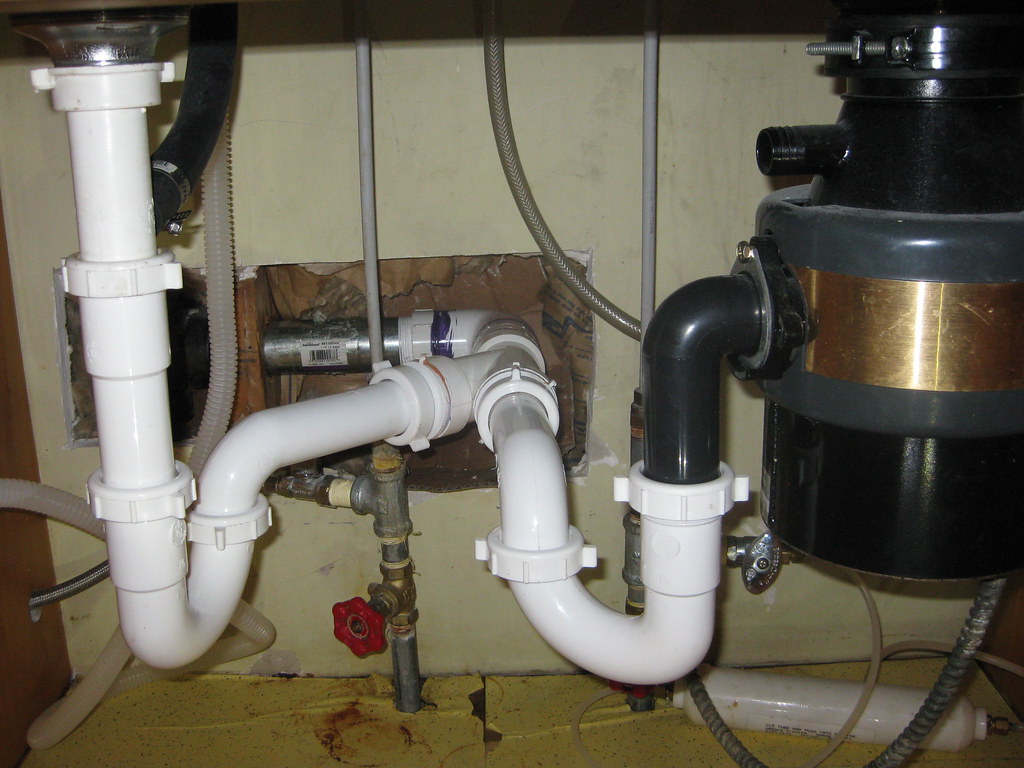
Featured image: Kitchen Sink Plumbing MG_5625 — pauljoelhancock (BY-ND) via Openverse